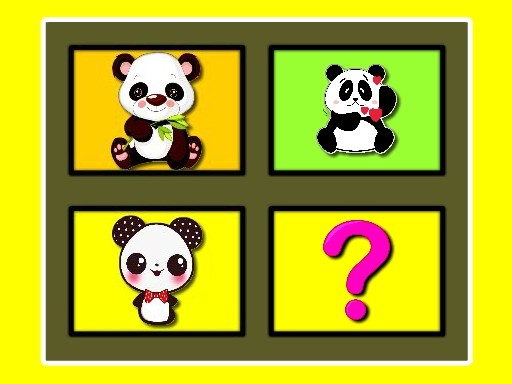
Panda Memory Puzzle Game
Review
Baby Panda Memory Puzzle Game offers a calm, engaging experience for all ages. The progressive difficulty keeps it interesting without being overwhelming. The cute visuals and encouraging sounds make each match feel rewarding. It is a solid choice for parents seeking educational screen time or for anyone wanting a gentle brain exercise during breaks.
About This Game
Game Introduction
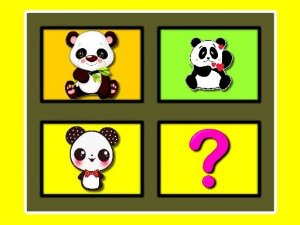
Baby Panda Memory Puzzle Game is a cheerful card-matching puzzle designed for players of all ages, especially young children. The core objective is to flip facedown cards and find matching pairs of charming panda-themed illustrations. Guided by a cute baby panda, players enjoy a gentle, non-competitive experience that turns screen time into a productive brain workout. The game is safe, ad-free, and perfect for developing memory skills in a relaxing environment.
How to Play
Players begin by selecting a difficulty level, which determines the size of the card grid. Then, they tap or click on any card to flip it and reveal the picture. Next, they choose a second card to try to find its matching pair. If the two cards match, they remain face up, and the player earns points. If they do not match, both cards flip back after a short pause, allowing the player to try again. The goal is to match all pairs in as few moves as possible. There is no timer, so players can take their time to think and remember. The game tracks moves, encouraging improvement with each round.
Game Features
Memory training that sharpens focus and recall. A cute panda theme that appeals to children and animal lovers. Progressive difficulty levels to keep the game challenging as skills improve. Family-friendly design ensures no ads or inappropriate content. Positive feedback with cheerful sounds and animations rewards every successful match. Simple touch controls and clear visuals make it easy for even the youngest players to join.
Tips for Success
Start with smaller grids to build confidence and practice memory techniques. Focus on remembering the positions of cards you have already flipped, even if they did not match. Try to create mental associations for each picture to aid recall. Take your time—there is no rush, so use the freedom to think carefully. Play regularly to improve your memory and reduce the number of moves needed. Celebrate each match to stay motivated and enjoy the learning process.