
The Core Stop-and-Go Mechanic
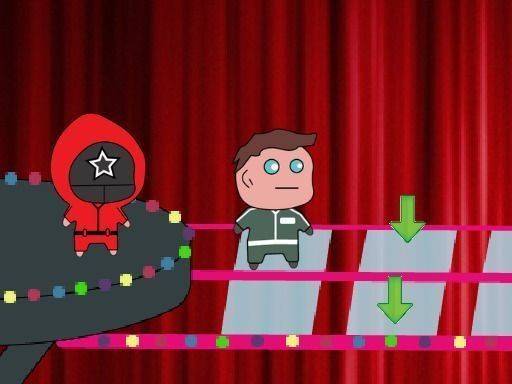
Traffic Light Dash Arcade builds its entire challenge around one rule: move on green, stop on red. Each round begins with a clear signal, and you must decide instantly whether to advance or stay still. That single decision repeats under growing pressure, turning a simple premise into a test of visual processing and reaction speed. The game provides both bright color cues and sound alerts for each light change, so you can rely on either channel to anticipate transitions and refine your timing.
How Difficulty Escalates
Early rounds give you comfortable reaction windows. As you progress, the interval between signal changes shrinks, and later stages demand near-instantaneous responses. This speed curve means no two sessions feel identical—you are always adjusting to a faster rhythm. Survival depends on adapting your strategy, not just reacting blindly. The challenge shifts from basic survival to stringing together near-perfect runs.
Designed for Shared Play
With no complex controls or mature themes, Traffic Light Dash Arcade suits family game nights and casual gatherings. The competitive element of reaching the finish line first adds excitement without requiring advanced skills. Players of different ages and experience levels can join in, making it an inclusive choice. The clean, uncluttered aesthetic keeps focus on the action, and the dual visual-audio feedback helps players of all visual abilities stay engaged.
Practice and Mastery
Repeating earlier rounds builds muscle memory for timing patterns. The game rewards consistent practice: over time, you learn to anticipate signal changes rather than merely react. That progression keeps the experience engaging for anyone chasing a personal best. Because the core loop is so direct, improvement feels measurable—each run teaches you something about your own reaction limits.





Comments
0 comments