
Core Gameplay Loop
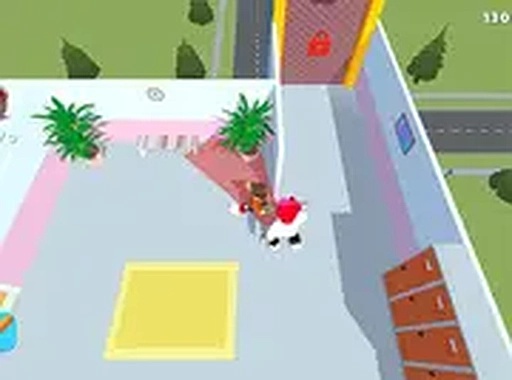
In Corridor Quest: School Breakout, players take control of a character moving through a three-dimensional school environment. The primary objective is to locate hidden exits that lead to the next area, ultimately reaching the elevator for a successful escape. Each corridor presents a fresh layout with obstacles such as desks and books that block the path. Players must navigate around these barriers while keeping an eye out for coins scattered throughout the level. The simple touch or mouse controls make it easy to start playing, but the increasing complexity of the layouts requires careful observation and planning.
Obstacle Course Design
The school corridors are transformed into obstacle courses that test both reflexes and problem-solving skills. Desks, chairs, and stacks of books are arranged in patterns that force players to find the best route. Some obstacles are stationary, while others may shift or appear unexpectedly. The challenge lies in maintaining a steady pace while scanning the environment for the hidden exit. Later areas introduce more intricate arrangements, requiring players to think several moves ahead to avoid getting stuck. This design keeps the gameplay fresh and encourages repeated attempts to improve performance.
Hero Unlock System
Coins collected during each run serve as currency to unlock new heroes. Each hero brings a distinct set of abilities that can alter how a level is approached. For example, some heroes may move faster, while others can pass through certain obstacles or reveal hidden paths. This system encourages players to experiment with different characters to find the best match for their play style. The variety adds replay value, as revisiting earlier levels with a newly unlocked hero can reveal shortcuts or strategies that were not possible before.
Visual Style and Atmosphere
The game uses bright, colorful 3D graphics that create a welcoming school setting. Hallways are rendered with enough detail to make each location feel distinct, from the library to the gymnasium. The visual design avoids any scary or intense elements, making it suitable for younger players. The cheerful color palette and simple character models keep the focus on the puzzles rather than on complex visuals. This approach ensures that the game remains accessible and enjoyable for a broad audience.
Progression and Rewards
As players advance, the puzzles become more demanding without becoming frustrating. The difficulty curve is gradual, introducing new obstacle types and more complex corridor layouts over time. Completing a level awards coins, which can be saved to purchase heroes. The sense of progression comes from both unlocking new characters and mastering the increasingly tricky environments. This structure gives players a clear goal for each session and a reason to keep playing beyond just finishing the current level.




Comments
0 comments