
Four Distinct Rescue Missions
Coastal Canine Rescue Adventures is built around four separate scenarios, each lasting only a few minutes. In one, players steer a small watercraft through floating debris to reach animals in need. Another puts a flying character in the air to collect items released from below. A third asks players to aim and toss material to construct a sandy structure. The fourth uses lane-switching movement to gather objects while dodging barriers. Because each activity is short, young players can complete a mission before their attention drifts, and the variety across the four scenarios helps prevent boredom during longer play sessions.
Controls Designed for Small Hands
The developers prioritized accessibility, and the control scheme reflects that. Directional keys or simple mouse movements handle every interaction. In the watercraft portion, players guide movement around obstacles. The flying mission uses left and right inputs to position the character. Building the sand structure relies on mouse aiming and clicking. The swimming challenge uses directional changes. This consistency means children can switch between missions without relearning the controls, which reduces frustration and keeps the focus on the activity itself.
Visual Style and Tone
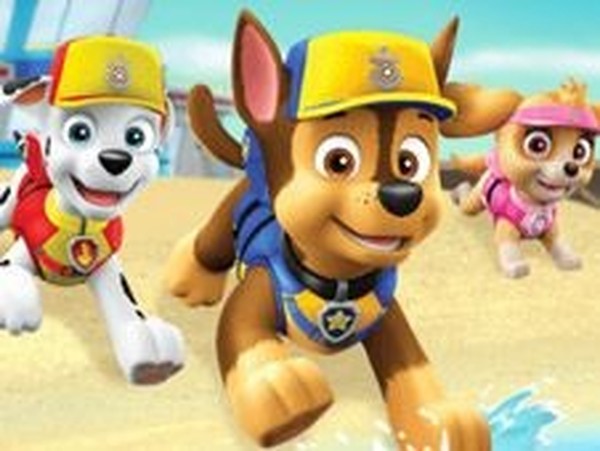
Bright, saturated colors define every scene. Characters are drawn in a friendly, rounded style that matches the source material, and backgrounds feature sunny beaches, calm waters, and clear skies. Animations are smooth but simple, avoiding chaotic imagery. The overall look supports the game's calm, helpful tone, and young players familiar with the franchise will recognize the characters and setting immediately.
Skills and Replay Value
While the game is primarily about fun, it naturally encourages several developmental skills. Timing is required to avoid obstacles and collect items, and hand-eye coordination improves as players aim and navigate. Problem-solving appears in recognizing patterns, such as obstacle sequences. Persistence is rewarded through replaying missions to achieve better results. Each mission takes under five minutes, and there is no penalty for mistakes, which reduces frustration. Children often repeat missions to see the positive outcomes and improve their scores.



Comments
0 comments