
Colony Construction on a Compact World
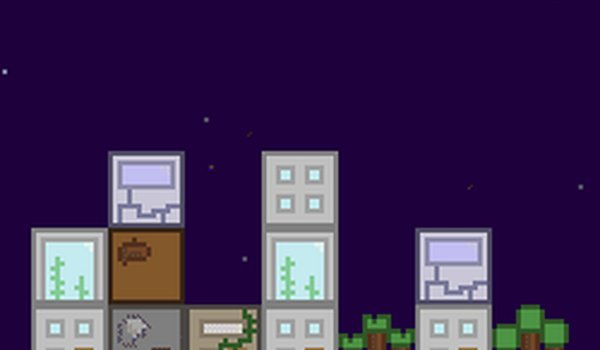
In Tiny Planet Settlement Architect, players are tasked with building a functional society from the ground up on a remarkably small celestial body. The year is 2100, and Earth can no longer support life. A scientist has discovered a single habitable planet, but its limited surface area presents a unique challenge. Every decision about where to place a building matters because space is extremely tight. Players must think carefully about how to arrange homes, food production areas, and energy facilities to create a balanced and efficient community.
Resource Balancing and Expansion
Success in this game depends on keeping a close watch on supplies. Wood, stone, and energy are the primary materials needed to construct new structures and upgrade existing ones. Food must be grown to feed the population, while energy keeps everything running. Research stations allow players to unlock new technologies that improve efficiency and enable more advanced buildings. The key is to maintain a steady flow of resources while expanding the colony in a sustainable way. Overexpansion without proper support can lead to shortages and stalled progress.
Strategic Layout and Planning
The small size of the planet means that players cannot afford to waste any space. Planning the layout from the start is crucial. Placing farms near housing reduces travel time for workers, while energy facilities need to be positioned to power multiple buildings at once. As the colony grows, players may need to demolish older structures to make room for more efficient ones. This constant need to optimize creates a satisfying puzzle-like experience where each new building must fit perfectly into the existing grid.
Visual Style and Controls
The game features a charming pixel art style that gives it a nostalgic feel. All interactions are handled with the mouse, making it easy to pick up and play. The simple controls allow players to focus on the strategic aspects rather than complex input methods. The visual design is clean and clear, with each building type easily distinguishable. This accessibility makes the game suitable for players of all ages who enjoy thoughtful planning and resource management challenges.
Progression and Replay Value
As players advance, they can research new technologies that open up additional building options and upgrades. This progression system gives a sense of accomplishment as the colony becomes more self-sufficient. The limited space means that each playthrough can feel different depending on the order in which buildings are placed and which technologies are prioritized. Players looking for a compact but deep strategy experience will find plenty to enjoy in this carefully crafted simulation.








Comments
0 comments