
Orbital Mechanics at the Core
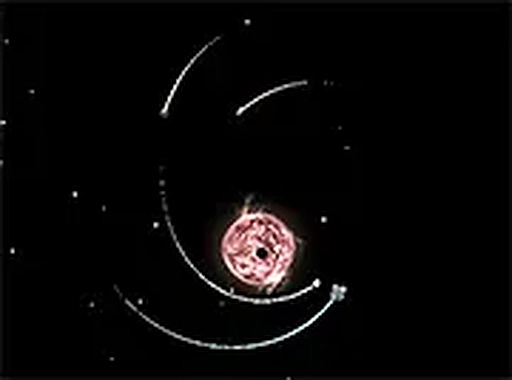
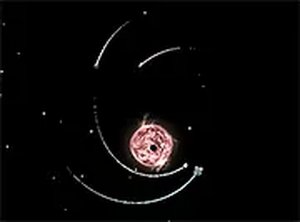
This game places you in control of a small star system where your primary task involves directing loose space rocks into paths that lead to collisions. The underlying physics engine calculates gravitational pulls based on the central star's size, making each throw feel realistic. Success depends on understanding how speed and angle affect an object's trajectory around the star. The system rewards careful observation over quick reactions, as there are no countdowns or enemy threats to worry about.
Level Design and Gravity Variations
Every stage introduces a star with different dimensions, which directly alters the gravitational field. A larger star pulls objects more strongly, requiring gentler launches, while a smaller star demands more force to keep rocks from drifting away. The target number of planets to create changes between levels, encouraging players to develop efficient strategies. The gradual increase in difficulty feels natural, as each new configuration builds on lessons learned from previous attempts.
Visual Style and Atmosphere
The presentation keeps things clear and uncluttered, with a dark space backdrop that lets the glowing star and floating rocks stand out. Smooth animations track each object's movement without lag, making it easy to follow orbital paths. The lack of background music or sound effects adds to the calm mood, allowing players to focus entirely on the puzzle. This minimalist approach suits the game's meditative nature, where the joy comes from watching small fragments slowly merge into larger bodies.
Strategies for Efficient Planet Formation
New players often find success by launching smaller rocks first to gauge the gravity's strength before committing larger pieces. Observing how the star's size changes orbital behavior helps in adjusting aim for subsequent throws. Conserving materials is key, as losing too many rocks to deep space can make it difficult to reach the required planet count. Building mass gradually by combining small fragments into medium-sized bodies works better than attempting to create a large planet in one move. Experimenting with different launch angles and speeds reveals the most efficient path for each unique star setup.




Comments
0 comments