
Pixel Worlds to Explore
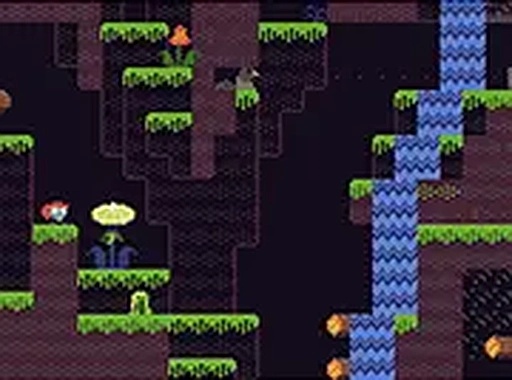
Players navigate a series of handcrafted pixel environments, each representing a distinct biome. From dense woodlands to arid plains, every area features its own set of plants, terrain, and resident animals. The art style uses soft colors and simple shapes to create a calm, inviting atmosphere. Moving between zones reveals gradual changes in scenery, encouraging players to look closely at the details of each habitat.
Studying Local Wildlife
Approaching animals triggers observation prompts that let players note their actions and routines. Some creatures may forage for food, while others rest in shaded spots. Recording these behaviors builds a personal log of field notes. This system teaches players about animal habits without relying on text-heavy explanations. The focus stays on visual learning and discovery.
Tasks That Make a Difference
Each area presents specific objectives tied to protecting local species or improving their surroundings. A task might involve clearing invasive plants or setting up a small water source. Completing these actions rewards players with a sense of accomplishment and unlocks new areas to explore. The objectives are straightforward and avoid complex instructions, making them accessible to younger players.
Controls Designed for Comfort
Movement uses either the keyboard arrow keys or mouse clicks on the ground. On-screen cues appear near interactive elements, so players always know what to do next. The game runs directly in a desktop browser and supports full-screen mode for a wider view. There is no time limit, allowing players to move at their own pace and revisit locations as they wish.
Learning Through Play
This title blends light strategy with open-ended exploration. Players decide which areas to visit and which tasks to tackle first. The absence of pressure lets them absorb information naturally. By connecting gameplay actions to real-world conservation ideas, the experience promotes curiosity about nature without feeling like a lesson.







Comments
0 comments