
Setting and Atmosphere
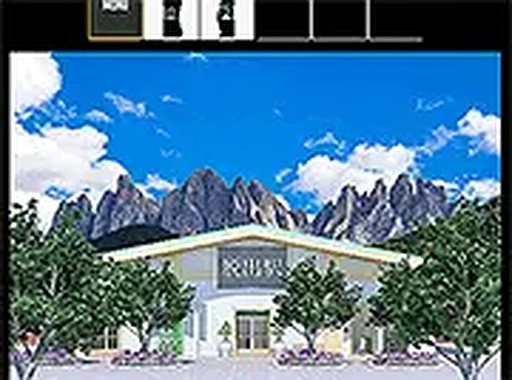
The game places you inside a detailed train station environment. Unlike action-heavy titles, this experience focuses on calm exploration. Each scene is filled with everyday objects that become part of a larger riddle. The station setting gives a coherent theme that ties all puzzles together, making the world feel consistent and intentional.
Core Puzzle Mechanics
Interaction is handled entirely through mouse clicks and drags. You pick up items, examine them, and combine them with elements in the environment. The puzzles rely on logical connections rather than random trial and error. For example, you might need to open a locked compartment by finding a key hidden inside a newspaper rack. The cause-and-effect relationships are fair and satisfying to discover.
Pacing and Difficulty Curve
Levels start with simple tasks, such as matching a ticket to the correct platform. Later stages introduce multi-step sequences that require remembering earlier clues. The difficulty increases gradually, so new players can build confidence before facing more complex arrangements. There are no sudden spikes that might frustrate casual audiences.
Visual Design and Accessibility
The graphics are clean and readable, with clear visual cues that guide the player without explicit instructions. Full screen mode is supported, which helps reduce distractions. The interface is minimal, keeping the focus on the puzzle itself. Colors are soft and easy on the eyes, suitable for extended play sessions.
Replay Value and Progression
While the main path is linear, some levels contain optional bonus items that unlock short side puzzles. This gives observant players extra content without overwhelming the main flow. Progress is saved automatically, so you can return to any completed stage to try alternative solutions or simply enjoy the atmosphere again.






Comments
0 comments